
How Ketamine Works in the Brain: Understanding NMDA Receptors
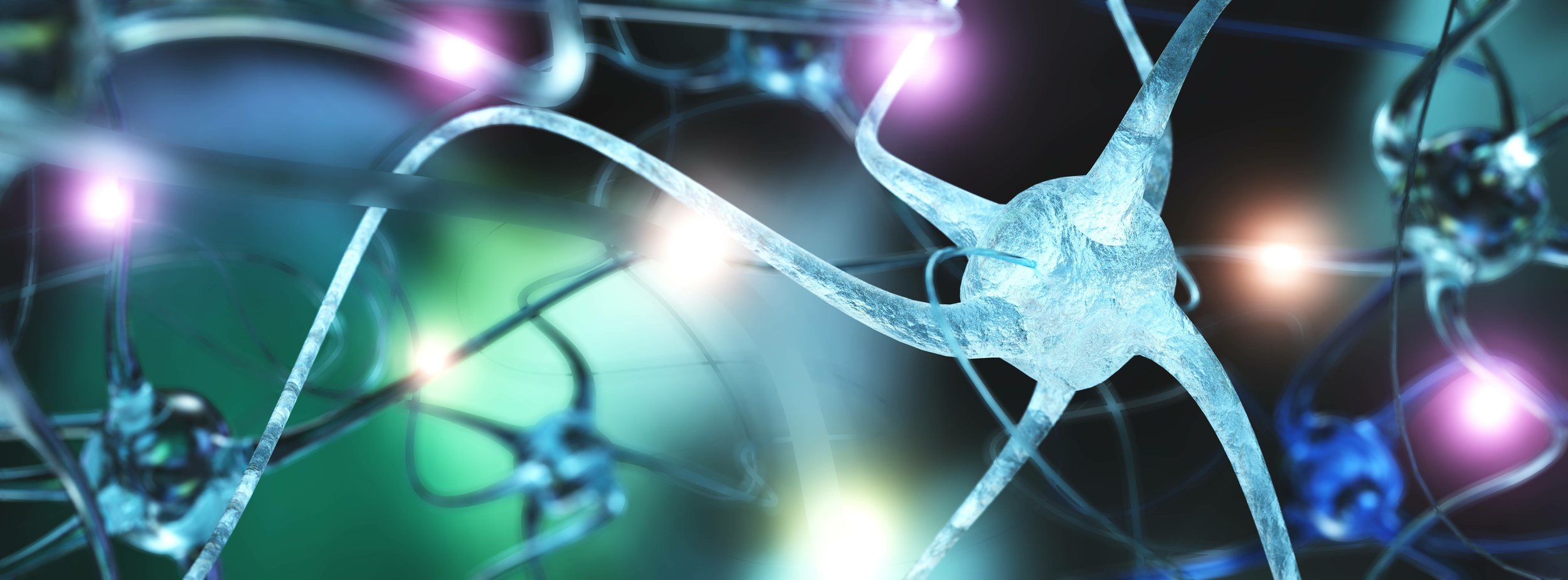
Ketamine has gained attention for its ability to help people who haven’t found relief from traditional antidepressants. At Etherios Therapy, we use ketamine in a safe, structured environment to support patients facing treatment‑resistant depression. But how does this medicine actually work in the brain? Let’s explore what happens at the molecular level and why those changes can lead to rapid improvements in mood.
Understanding NMDA Receptors
Inside the brain, communication happens through tiny electrical and chemical signals between nerve cells called neurons. One of the main messengers in this process is glutamate, a neurotransmitter that helps regulate mood, memory, and learning. Glutamate connects neurons through special docking sites known as NMDA receptors, short for N‑methyl‑D‑aspartate receptors.
When these receptors are overactive, they can flood the brain with signals that increase stress and emotional pain. Over time, this can contribute to depression and anxiety. Ketamine works by temporarily blocking NMDA receptors, giving the brain a chance to reset its communication patterns and reduce harmful overactivity.
According to the Cleveland Clinic, this process helps protect brain cells and allows them to form new, healthy connections, a phenomenon called synaptogenesis.
Encouraging Neuroplasticity and Healing
Neuroplasticity is the brain’s ability to adapt, grow, and form new pathways. When ketamine blocks NMDA receptors, it triggers a cascade of changes that increase levels of another receptor type called AMPA. AMPA receptors help strengthen communication between neurons, encouraging the brain to build new connections faster.
This burst of neuroplasticity is one reason many patients feel relief within hours or days of treatment. Ketamine’s impact on NMDA and AMPA receptors can rapidly restore balance in mood‑related brain circuits, especially in areas that regulate emotion and motivation.
Supporting People Who Haven’t Responded to Traditional Antidepressants
Most antidepressants work by adjusting serotonin or norepinephrine levels, chemicals that influence mood over time. These medications can take weeks to show results, and for some people, they don’t bring enough improvement. Ketamine acts differently. By targeting glutamate and NMDA receptors, it affects the brain’s communication network directly, not just the chemical balance.
This unique mechanism helps explain why ketamine can relieve symptoms of depression and suicidal thoughts more quickly than traditional medications. Research confirms that ketamine and its FDA‑approved derivative, esketamine, are effective for adults with treatment‑resistant depression when used under medical supervision.
Creating a Safe and Supportive Experience
At Etherios Therapy, ketamine sessions are conducted in a private, medically supervised setting. A provider or medical assistant is present throughout each session to ensure safety and comfort. Patients are guided through preparation and integration therapy between treatments, helping them process insights and emotional shifts that may arise.
This structured approach reflects our commitment to ethical, high‑touch care. We believe that healing happens not only through medicine but through presence, trust, and connection.
Ready to Learn More?
If you’ve tried other treatments without relief, you don’t have to face depression alone. Etherios Therapy offers compassionate, outcomes‑focused care designed to help you find real improvement.
Contact us to explore whether ketamine therapy may be right for you.
